
The History of Wedding Photography
The history of wedding photography begins in the early 1840s. During this period, photography had very little commercial use, but the idea of creating memories of the wedding day was already born. Mainly because of equipment limitations, wedding photography remained studio photography for more then a century. In the 1800s there were no paper photographs, no multiple photographs, no albums. There was only a daguerreotype portrait on a tiny copper sheet. As the years passed, technology changed how photographs were produced and presented.
 |  |
Before photographic paper, photographers used glass plates, tin sheets, and copper sheets. In the beginning of the 20th century, the production of color photographs became possible, but the process was too unreliable (until the 1950’s) for professional photography. Colors shifted and faded after a short period of time, so photographers continued to work with black and white film. While technology led to the invention of new materials used for producing photography film and better chemistry to process it, wedding photography techniques remained the same until the end of WWII.
The idea of capturing the event itself was born during the “wedding boom” after the Second World War. This surge created profitable opportunities for shooting weddings without a contract or “on speculation”. Using their new portable roll film based cameras and compact flashbulb lighting, photographers would show up, shoot a wedding and then try to sell the photos to the bride and groom. Some of them were military trained photographers, but most were amateurs who took advantage of the portability of small, newly designed cameras.
 |  |
Despite low quality results, these photographers created competition and forced the studio photographers to start working on location. Trying to imitate the studio settings, photographers would have to bring heavy photography equipment and bulky lighting to wedding locations. While it was almost impossible to document a full wedding using limited amount of expensive film, even candid shots were posed after the ceremony.
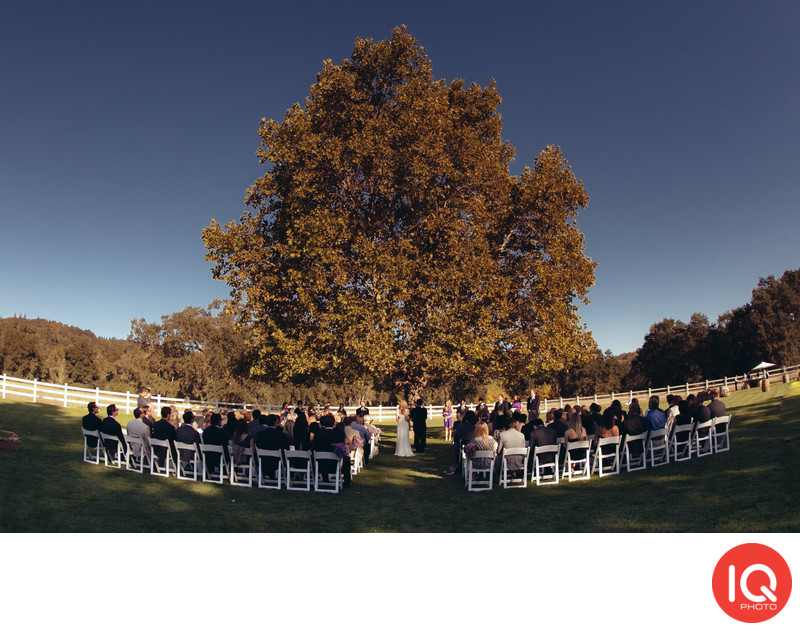
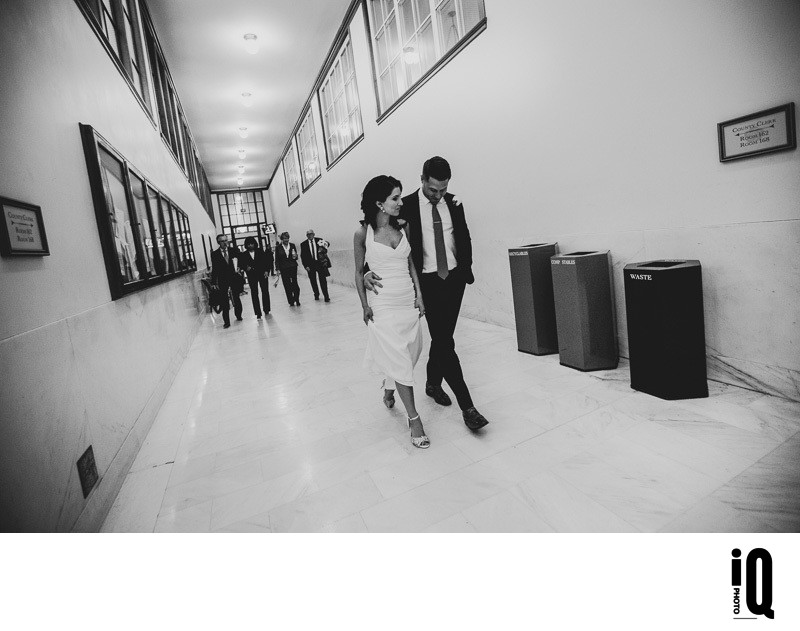
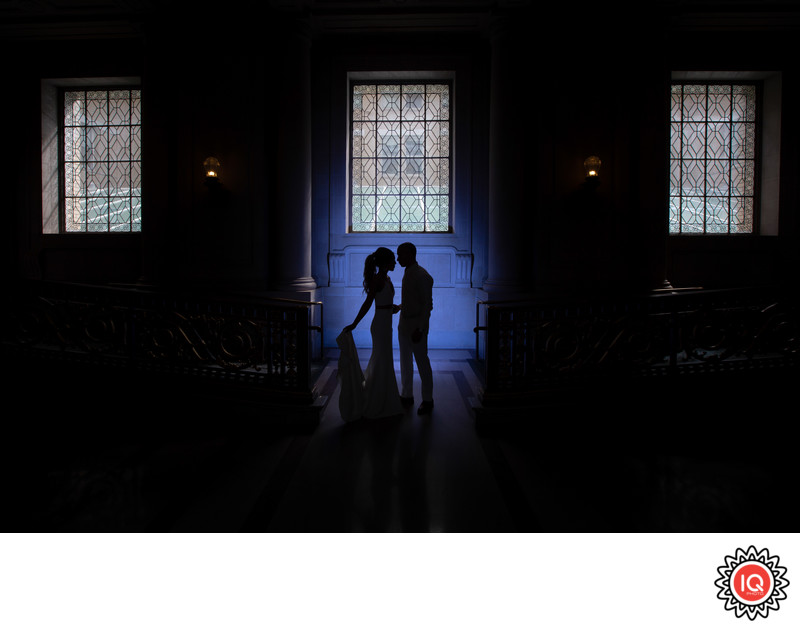
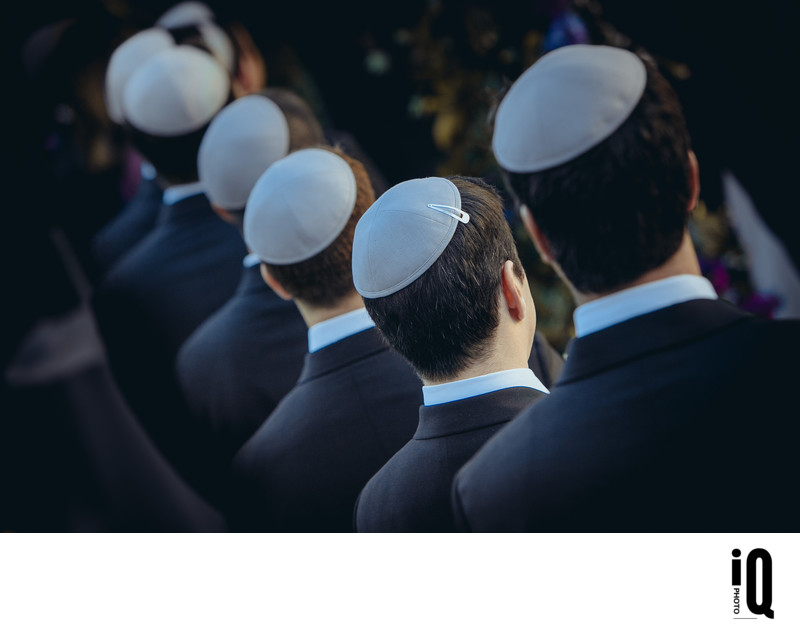
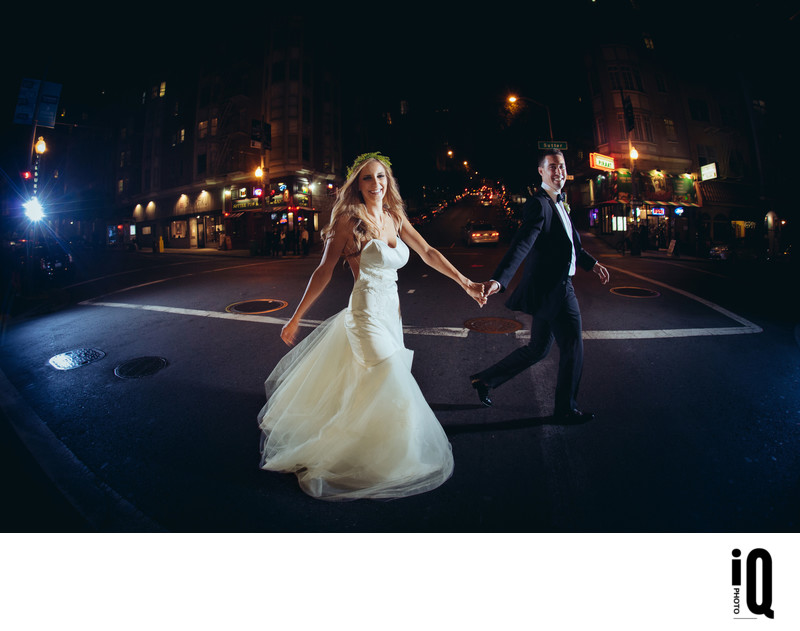
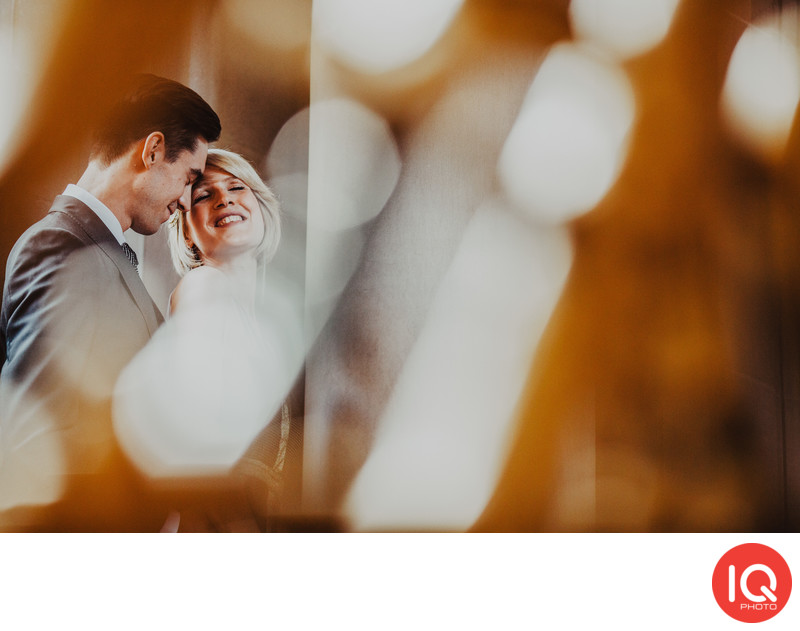
The traditional wedding photography style of beautiful poses created in a studio or on location using studio quality lighting has been practiced for more then a hundred years: until the early 1970s it was practically the only style of wedding photography. A dynamic change in the photo industry evolved changing the traditional wedding photography style into a new style called wedding photojournalism or documentary style: in other words, the style which captures the wedding as it unfolds. While requiring serious skills, talent, and experience this style was misinterpreted as a series of snapshots which any 35mm camera equipped amateur could take. This opened a gate for weekend shooters who could get away with a series of candid shots and sell it under the guise of wedding photojournalism. While both styles have advantages and drawbacks, neither of them is the primary style for most professional photographers today. Driven by the glamorous look of classic photos which still have their places on the covers of wedding magazines as well as technological advantages that allow modern photographers to document a wedding with less effort, clients began requiring a mixed or blended style of wedding photography. With the invention of digital photography, new creative opportunities emerged. Digital cameras allow deeper coverage of the event with a virtually unlimited amount of photographs taken, and great design opportunities. While traditional film photography is still widely used, it is obvious that the future belongs to digital photography.
 |  |
| © By IQphoto San Francisco Wedding Photographer |